


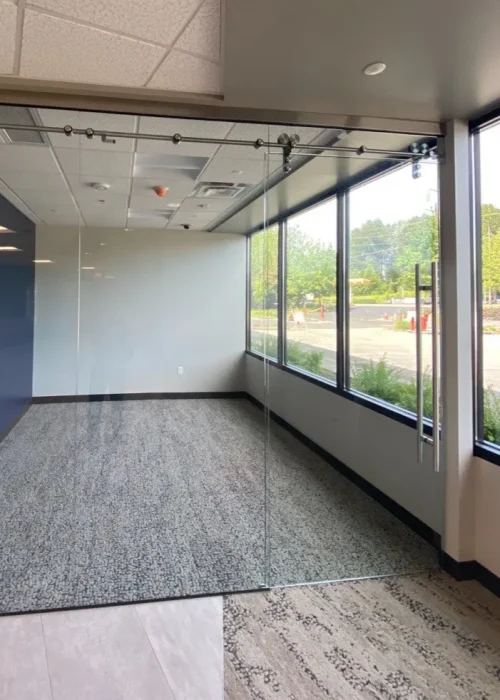
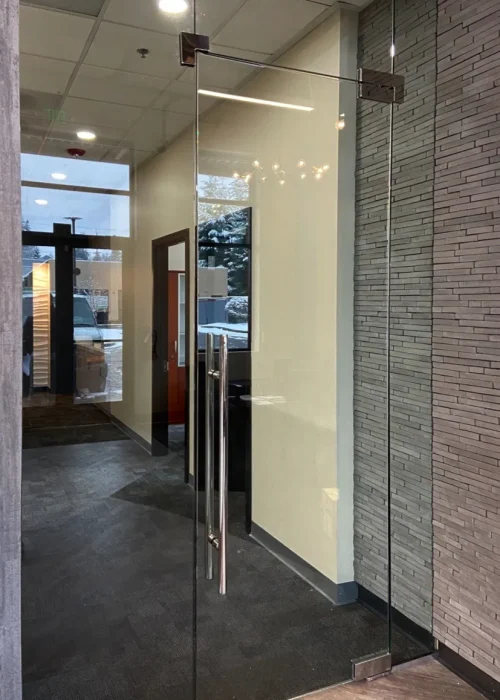






Glass doors are an excellent way to bring natural light into a space, create a sense of openness, and add a modern architectural touch to residential and commercial properties. From elegant glass entry doors and sliding patio doors to interior glass partitions and custom-designed door systems, glass offers a versatile combination of functionality, aesthetics, and durability.At Roxie Glass, we provide glass solutions designed to complement different architectural styles and practical requirements. Whether you are upgrading your home’s entrance, creating a seamless connection between indoor and outdoor living spaces, or incorporating glass doors into a commercial property, our team can help you explore the right options for your project.
We serve homeowners, contractors, property managers, and businesses throughout Seattle, Western Washington & Oregon.
Residential Glass Doors: Bringing Light and Style into Your Home
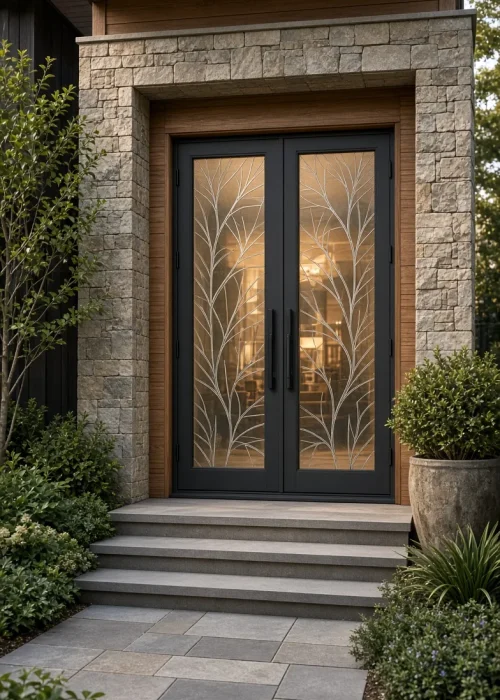
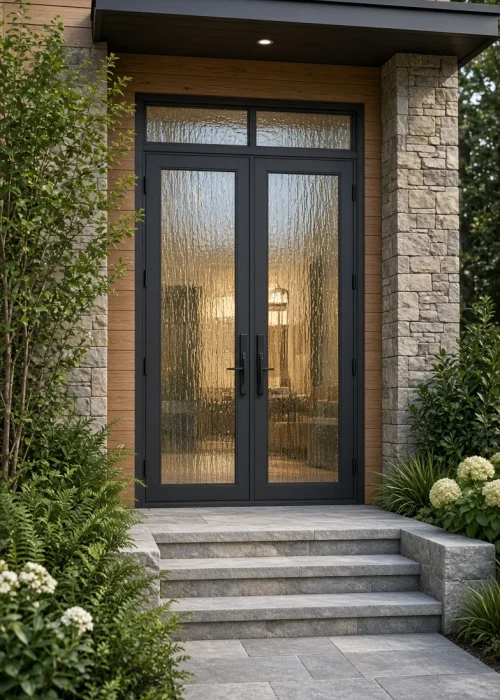
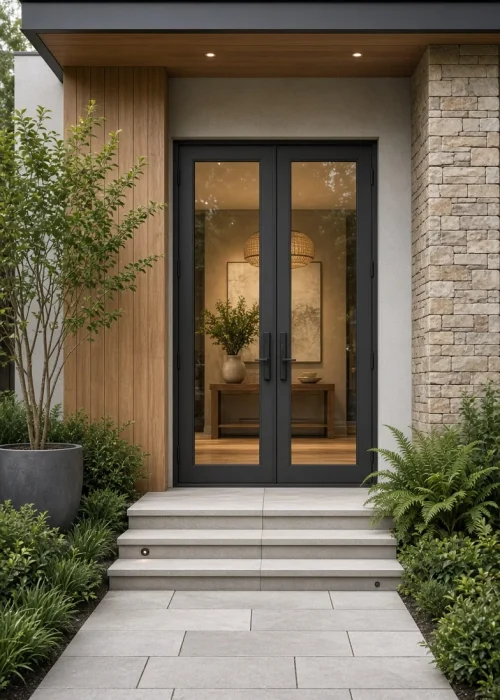
Residential glass doors offer more than just access between rooms or outdoor spaces. They can transform the appearance of a home by maximizing natural light, improving visual continuity, and creating a more spacious atmosphere. From contemporary homes to traditional residential properties, different glass door styles can serve a variety of purposes.- Glass Entry Doors
- Main residential entrances and front doors
- Modern homes with minimalist architectural designs
- Entryways that need additional natural light
- Homes featuring decorative or privacy glass
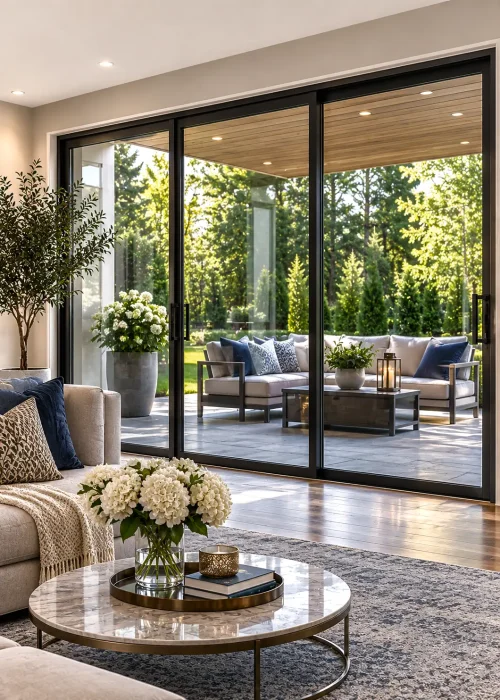
- Sliding Glass Doors
- Patio and backyard access
- Living room entrances to outdoor spaces
- Balcony and terrace access
- Kitchen and dining area connections
- Large openings overlooking gardens or landscapes
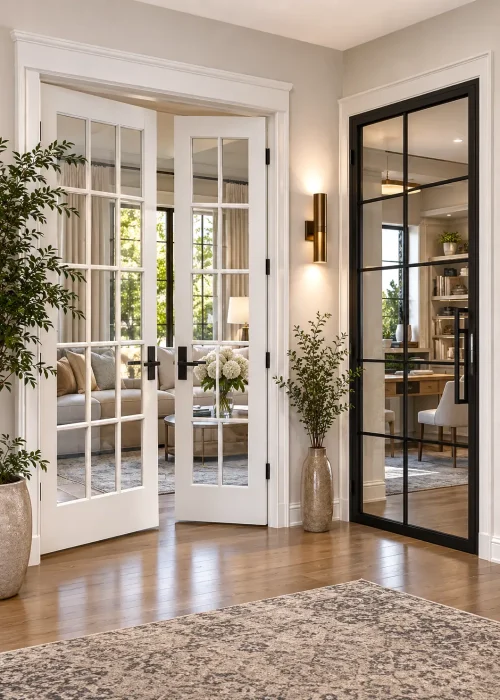
- French Glass Doors
- Living rooms and dining rooms
- Home offices and study rooms
- Interior transitions between common areas
- Garden and patio entrances
- Bedroom and private living areas
- Hinged Glass Doors
- Interior room entrances
- Home offices
- Modern living spaces
- Glass-enclosed rooms
- Selected exterior entrances with appropriate framing and hardware
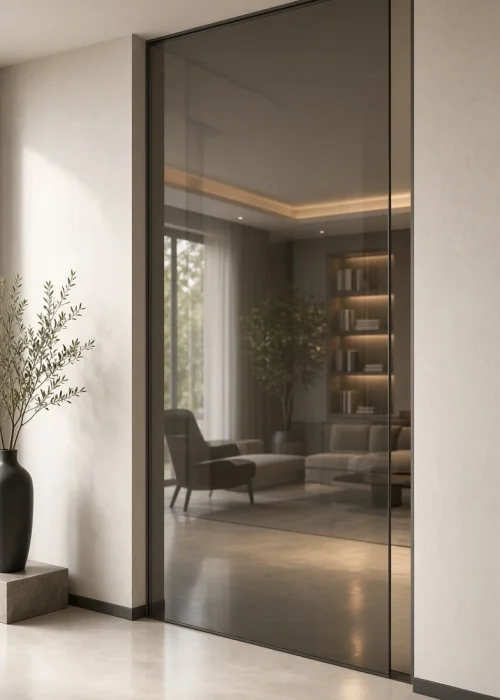
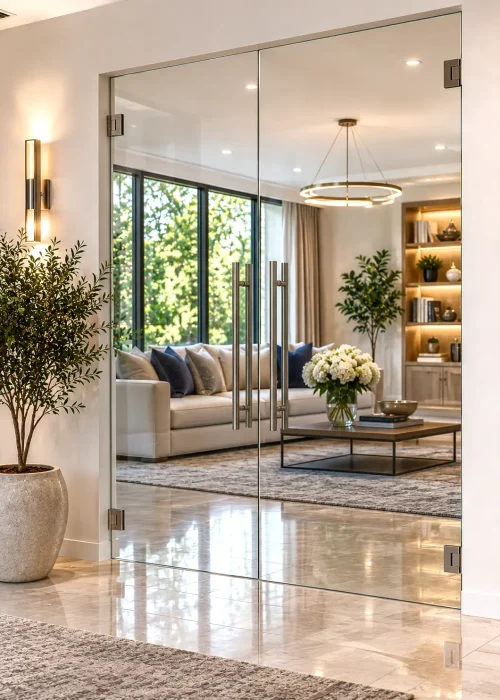
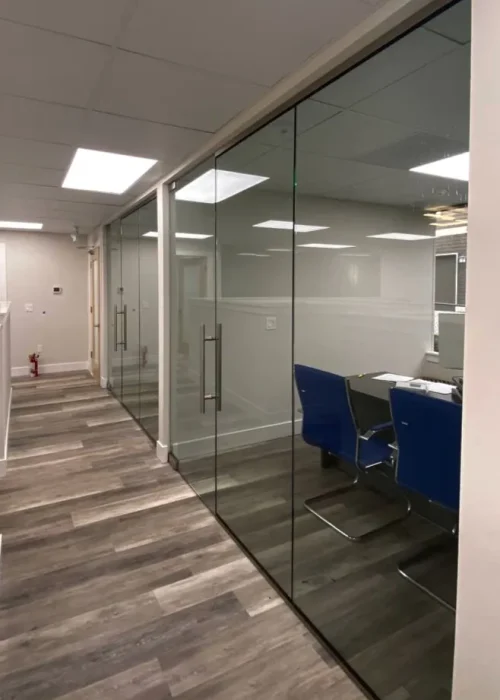
- Frameless Glass Doors
- Modern interior doorways
- Home offices and private workspaces
- Interior glass partitions
- Contemporary room entrances
- Selected custom architectural applications
- Interior Glass Doors and Room Dividers
- Home offices and workspaces
- Living room and dining room separation
- Kitchen transitions
- Private study areas
- Walk-in closets and dressing rooms
- Glass Pantry and Cabinet Doors
- Kitchen pantry entrances
- Display cabinets
- Built-in storage units
- Home bars and entertainment areas
- Custom shelving and cabinetry
Types of Glass Used in Residential Door Systems
Selecting the appropriate glass is an important part of designing a functional and attractive door system. Different glass types offer different levels of transparency, privacy, appearance, and safety.Clear GlassClear glass provides maximum transparency and allows natural light to pass through without significantly obstructing views. It is a popular choice for sliding patio doors, glass entry doors, and interior glass doors.Tempered GlassTempered glass is heat-treated to increase its strength compared with ordinary annealed glass. When it breaks, it generally fractures into smaller granular pieces rather than large, sharp shards. It is commonly used in safety-glazing applications, including many residential glass door systems. Applicable building codes and safety-glazing requirements should determine where it is needed.Frosted GlassFrosted glass diffuses light while obscuring clear visibility, making it a practical option for areas where privacy is important. It is frequently used in bathrooms, home offices, interior partitions, and decorative entry doors.Tinted GlassTinted glass incorporates color into the glass itself to modify light transmission and create a distinctive appearance. Depending on the specification, it can also help reduce glare and solar heat gain. It is available in different shades and can complement modern architectural designs.Textured and Patterned GlassTextured and patterned glass introduces decorative details while modifying visibility through the glass surface. It can be used for front doors, interior doors, decorative partitions, and cabinetry.Commercial Glass Doors and Entry Systems
Glass doors are also widely used in commercial environments, where they combine accessibility, natural lighting, and a professional architectural appearance. For businesses and commercial properties, the right glass door system should be selected according to traffic levels, building design, security requirements, accessibility standards, and intended use.Common commercial applications include:- Storefront Glass Doors: Glass storefront doors create welcoming entrances for retail stores, restaurants, showrooms, and other businesses while allowing customers to see inside.
- Commercial Entrance Doors: Glass entrance systems are frequently used in office buildings, hotels, and commercial facilities to create professional and visually appealing entryways.
- Office Glass Doors: Interior glass doors provide separation between meeting rooms, private offices, and shared workspaces without completely blocking natural light.
- Frameless Commercial Doors: These doors offer a contemporary appearance for offices, retail environments, hospitality spaces, and other commercial interiors.
- Automatic Sliding Glass Doors: Often used in high-traffic commercial buildings, automatic sliding doors provide convenient access and help accommodate continuous pedestrian movement.
How to Choose the Right Glass Door for Your Property
Choosing a glass door involves more than selecting a particular style. The right solution should complement the architecture, suit the intended application, and meet the property’s functional requirements. Consider the following factors before making your decision:- Location and Purpose: Determine whether the door will be used as an exterior entrance, patio connection, interior partition, or commercial access point. Different applications require different glass and hardware specifications.
- Privacy Requirements: Clear glass is ideal for maximizing visibility, while frosted, tinted, and textured options can provide varying degrees of privacy.
- Available Space: Sliding doors are particularly useful where swing space is limited. Hinged and French doors may be more suitable when the layout allows for their opening clearance.
- Safety and Durability: Glass thickness, safety glazing, hardware, and framing should be selected according to the door’s dimensions, location, and applicable building codes.
- Architectural Design: Consider how the glass, frame, finish, and hardware will complement the surrounding materials and overall design of your property.
- Professional Installation: Proper measurements, compatible hardware, secure mounting, and correct alignment are essential for the performance and longevity of a glass door system.