Sahar Firouzjaei

Can You Install a Frameless Shower Door Yourself? A Complete Guide

Can You Install a Frameless Shower Door Yourself? A Complete Guide Installing a frameless glass shower door can transform a bathroom, creating a clean, modern appearance while allowing more light to flow through the space. However, before starting a DIY project, it is important to understand the measurements, hardware, safety precautions, and installation requirements involved. So, can you install a frameless shower door yourself? The answer depends on the door system, your experience with home improvement projects, and the condition of your shower opening. While some simpler installations may be manageable for experienced DIYers, frameless shower doors require precise alignment and careful handling of heavy glass. In this guide, we explain what DIY installation involves, common mistakes to avoid, and when professional installation may be the better choice for your bathroom. Can You Install a Frameless Shower Door Yourself? Yes, some frameless shower doors can be installed by experienced DIYers, particularly when the manufacturer provides clear instructions and the shower opening is properly prepared. However, the process is more complicated than attaching a glass panel to a wall. Frameless shower doors typically use tempered safety glass, specialized hinges or mounting hardware, and carefully positioned seals. The door must fit the opening correctly, operate as intended, and remain stable during everyday use. Before attempting installation, consider these factors: Door design: Fixed panels, hinged doors, and sliding enclosures have different installation requirements. Glass weight: Large glass panels can be difficult to lift, position, and secure safely. Wall construction: Mounting hardware must be attached to suitable structural support as specified by the manufacturer. Shower measurements: Small errors can affect alignment, clearances, and water containment. Installation experience: Familiarity with leveling, drilling, and mounting hardware is important. If the opening is irregular, the walls are out of plumb, or the enclosure requires complex custom fitting, professional installation is generally the safer option. What Do You Need Before Installing a Frameless Shower Door? Proper preparation is essential for a successful installation. Confirm that the selected door is compatible with your shower opening and that all required components are available before beginning. Tools and Materials Depending on the door system, installation may require: Measuring tape and a level A drill and manufacturer-approved drill bits Appropriate fasteners and mounting hardware Safety glasses, cut-resistant gloves, and suitable footwear Glass suction lifters rated for the panel Sealant specified for the installation Approved positioning aids, if required Always follow the door manufacturer’s installation instructions. Different wall materials, glass configurations, and hardware systems may require different tools and fastening methods. Important safety note: Tempered glass must not be cut, drilled, or modified after tempering. Attempting to alter it can cause the entire panel to shatter. Common DIY Frameless Shower Door Installation Mistakes Even a visually simple glass enclosure requires careful planning. Understanding common installation problems can help you decide whether to proceed yourself or hire a professional. 1. Taking Inaccurate Measurements Incorrect measurements can lead to gaps, poor alignment, insufficient clearance, or a door that does not operate properly. Shower openings may vary in width from top to bottom, and walls or curbs may not be perfectly level. Measure according to the manufacturer’s instructions and verify the opening at the specified locations before ordering or installing the door. Custom glass installations may require additional measurements and adjustments. 2. Using Inadequate Wall Support Shower door hinges and mounting hardware must be secured according to the manufacturer’s requirements. Attaching hardware to an unsuitable surface can compromise the stability of the enclosure. Before drilling, identify the wall construction and check for plumbing or electrical services behind the surface. Use appropriate fasteners and structural support as specified for the selected system. 3. Mishandling Heavy Glass Panels Large glass panels can be awkward to lift and position, even for experienced DIYers. Dropping, twisting, or striking the edges of tempered glass can cause it to break. Never attempt to lift or position a large shower door alone. Use appropriately rated glass-handling equipment and qualified assistance. If the panel cannot be handled safely, stop and arrange professional installation. 4. Misaligning the Door or Hinges Incorrect hinge placement or poor alignment can cause a door to swing unevenly, rub against nearby surfaces, or place unnecessary stress on the hardware. Position the door according to the manufacturer’s clearances and mounting specifications. Do not force misaligned hardware into place or compensate for an unsuitable opening with improvised mounting methods. 5. Applying Sealant Incorrectly Improper sealing can allow water to escape the shower enclosure. The location and application of silicone or other seals depend on the enclosure design and the manufacturer’s instructions. Use the specified sealant, prepare the surfaces correctly, and allow the product to cure for the recommended period. Sealant should not be used to compensate for incorrect measurements, unstable mounting, or poorly fitted components. Is DIY Installation Safe for Frameless Shower Doors? Safety should be one of the main considerations when deciding whether to install a frameless shower door yourself. Tempered safety glass is designed to provide safety benefits when it breaks, but it is not unbreakable. Edge damage, improper handling, unsuitable hardware, or incorrect installation can create serious hazards. To reduce risk: Inspect the glass for visible damage before installation. Avoid striking or placing concentrated pressure on glass edges. Use suitable protective equipment and glass-handling tools. Follow the manufacturer’s handling and mounting instructions. Never modify tempered glass in the field. Stop if the opening, wall support, or hardware does not meet the installation requirements. If you lack the necessary equipment or experience, professional installation can help reduce the risks associated with handling and securing large glass panels. DIY vs. Professional Frameless Shower Door Installation Both approaches have advantages, but the right choice depends on the complexity of the project and your confidence in completing it safely. Consideration DIY Installation Professional Installation Labor cost Lower if successful Includes installation labor Measurements Your responsibility Handled according to the service scope Glass handling Requires suitable equipment and assistance Managed by the installation team Alignment and fit Depends on your experience Managed by

Can You Install a Frameless Shower Door Yourself? A Complete Guide Read More »
How much do glass shower doors cost in Seattle? | Roxie Glass

SEATTLE BATHROOM GLASS GUIDE How Much Do Glass Shower Doors Cost in Seattle? If you are planning a bathroom renovation, one of the first questions you may have is: how much do glass shower doors cost in Seattle? The answer depends on the type of door, glass, enclosure design, hardware, measurements, installation requirements, and the condition of the existing shower opening. Quick answer: There is no single price for a glass shower door installation. A simple shower door and a fully custom frameless enclosure can have very different project requirements. The best way to understand your actual shower door cost is to evaluate the size, configuration, glass, hardware, site conditions, and installation requirements of your specific bathroom.Seattle-area homeowners have many options when replacing a shower door or upgrading a bathroom with custom glass. A project can range from a straightforward replacement to a completely custom enclosure designed around an unusual shower opening. That is why comparing prices based only on the door itself can be misleading. The final cost may include custom measurements, glass fabrication, hinges and hardware, delivery, removal of an existing enclosure, preparation of the opening, and professional installation. In this guide, we explain the main factors that influence shower door cost, including glass shower door cost, frameless shower door cost, shower door installation cost, and custom shower door cost. If you are comparing options for a Seattle or Bellevue bathroom, this information can help you understand what you are paying for and what questions to ask before approving an installation. What Affects Glass Shower Door Cost? The biggest mistake homeowners can make is assuming that all glass shower doors are essentially the same product. Shower systems are highly customizable, and several individual components can affect the final project cost. 1. Shower Door Style The configuration of the shower has a major influence on the project. A single swing door is generally a simpler installation than a larger enclosure with multiple glass panels, several hinges, or a combination of fixed and moving panels. Common configurations include: Single swing shower doors Sliding or bypass shower doors Pivot shower doors Fixed glass panels Corner shower enclosures Three-sided glass shower enclosures Custom frameless shower enclosures The more complex the configuration, the more important accurate field measurements and professional installation become. 2. Frameless vs. Framed Construction One of the most common questions about shower door cost is whether frameless glass is more expensive than framed construction. Frameless shower systems typically use thicker tempered glass and specialized hardware rather than relying on a large surrounding metal frame. This creates the clean, minimalist appearance many homeowners want in contemporary bathrooms. Framed and semi-frameless systems can use more framing components and may provide a different visual and structural approach. The right option depends on the shower design, opening, aesthetic goals, and installation requirements. If you are deciding between the two, our guide to frameless and framed shower doors explains the differences in more detail. 3. Glass Type and Thickness The glass itself is another important component of the project. Shower doors are commonly manufactured from safety glass designed specifically for shower applications. Clear glass is a popular choice because it allows the tilework and interior of the shower to remain visually open. Other options can provide additional privacy or a different decorative appearance. Depending on the project, homeowners may consider: Clear glass Low-iron or ultra-clear glass Obscure or privacy glass Patterned or textured glass Other decorative glass options Glass thickness can also vary depending on the enclosure design and engineering requirements. A professional glass contractor can recommend an appropriate glass specification based on the size and configuration of the installation. 4. Hardware and Finish Hinges, handles, brackets, clips, channels, and other hardware are important parts of a shower enclosure. Their finish also contributes to the overall appearance of the bathroom. Popular hardware finishes can include: Chrome Brushed or satin finishes Matte black Brass and gold-toned finishes Other specialty finishes Hardware should not be selected based solely on appearance. Compatibility with the glass, door weight, wall construction, and enclosure design is equally important. 5. Size and Number of Glass Panels A larger shower generally requires more glass material. However, the relationship between size and price is not always as simple as measuring the square footage of the shower. A larger enclosure may also require additional panels, hardware, support points, or more complicated installation. For example, a large walk-in shower with a fixed panel and hinged door can have different requirements from a compact corner enclosure. 6. Custom Measurements Bathrooms are rarely perfectly uniform. Walls can be slightly out of plumb, surfaces may not be completely level, and tile installations can create variations in the opening. This is particularly important for custom glass. Measurements must account for the actual conditions of the opening rather than relying only on nominal dimensions from a bathroom plan. That is one reason professional measurement is an important part of a custom shower door project. How Much Does a Custom Shower Door Cost? The phrase custom shower door cost can refer to many different types of projects. A custom door may simply be manufactured to fit a non-standard opening, or it may be part of a completely custom glass enclosure with multiple panels and specialized hardware. Custom work can be especially useful when a bathroom has an unusual layout, a frameless design, a large walk-in shower, or a configuration that does not work well with standard-size products. If your project requires a made-to-measure solution, you can learn more about custom shower doors and custom glass shower enclosures from Roxie Glass. Important: Custom does not necessarily mean that every component is unique. The final design may combine standard hardware and glass specifications with measurements and fabrication tailored to the specific shower opening. How Much Does Shower Door Installation Cost? Shower door installation cost should be considered separately from the cost of the glass and hardware. Professional installation is a significant part of the finished project because the enclosure needs to be correctly

How much do glass shower doors cost in Seattle? | Roxie Glass Read More »

Commercial Glass Projects: How Professional Glazing Shapes Modern Buildings

Commercial glass is much more than an architectural feature. In modern offices, retail spaces, hotels, apartment buildings, banks and medical facilities, and other commercial properties, glass plays an important role in appearance, natural light, energy performance, security, durability, and the overall experience of a building. From large curtain wall systems to storefront entrances, interior glass partitions, commercial windows, and architectural glazing, the right glass system can transform both the appearance and functionality of a commercial property. At Roxie Glass, we have experience working with commercial properties and a wide range of glass applications throughout the Seattle area. For larger commercial construction and architectural glazing projects, our affiliated commercial-focused company, GlazenixLLC, specializes specifically in commercial glass and glazing solutions for contractors, builders, developers, architects, and property owners. What Is Commercial Glass and Glazing? Commercial glass and glazing refers to the glass, framing, hardware, and installation systems used in commercial buildings. Unlike many residential glass applications, commercial projects often involve larger openings, more demanding performance requirements, detailed architectural specifications, and coordination with contractors and other trades. Common commercial glazing applications include: Commercial storefront glass Glass doors Curtain wall systems Commercial windows Architectural glazing Aluminum framing Interior glass partitions Glass walls Commercial renovation The right system depends on the building, design requirements, structural conditions, budget, energy goals, and intended use of the space. Why Commercial Glass Matters A well-designed commercial glazing system can influence much more than the appearance of a building. First Impressions For retail stores, restaurants, offices, hotels, and other customer-facing businesses, the entrance and storefront are often the first parts of the building people see. Clear, modern storefront glass can create an open and professional appearance while allowing customers to see products, displays, interiors, and entrances. Natural Light Large glass areas can introduce natural light into offices, commercial spaces, lobbies, and other occupied areas. Strategically designed glazing can help create brighter and more comfortable interiors while supporting the architectural vision of the building. Architectural Design Glass allows architects and developers to create contemporary building envelopes, transparent entrances, dramatic facades, and open interior environments. Curtain walls, structural-style glazing, storefront systems, and other architectural glazing solutions can give commercial buildings a distinctive appearance. Function and Performance Commercial glazing also has practical responsibilities. Depending on the project, glazing systems may need to address: Thermal performance Weather resistance Durability Safety Solar control Acoustic performance Security Air and water infiltration Building-code requirements This is why choosing the appropriate glass and framing system is an important part of commercial construction. Sound-Conscious Glass Partitions for Commercial Interiors Create a modern, light-filled workspace with custom commercial glass partitions designed around your interior layout and privacy requirements. Roxie Glass provides commercial glass partition solutions for offices and other business environments throughout the Greater Seattle area. When planning a glass partition system, sound transmission is an important consideration. The glass specification, panel configuration, framing system, perimeter seals, and connections to surrounding walls and ceilings can all influence how sound travels between adjacent spaces. Selecting the right combination of components can help support a more comfortable environment for offices, meeting rooms, private workspaces, and other commercial interiors. Balancing Acoustic Considerations With Modern Design Glass partitions can define separate work areas while maintaining visual openness and allowing natural light to pass through the space. Depending on the project requirements, different glass and framing configurations may be considered to balance aesthetics, privacy, and sound-control objectives. For projects where speech privacy is important, the entire partition assembly should be evaluated rather than selecting glass based on thickness alone. Gaps around doors, joints, and the top or bottom of a partition can affect acoustic performance. Where measurable sound isolation is required, ask your design team to specify the necessary acoustic performance criteria and verify that the proposed system has supporting test data. Custom Commercial Glass Partitions in Seattle Whether you are renovating an existing office or planning a new commercial interior, Roxie Glass can discuss your partition requirements, space configuration, and preferred design. Our team serves commercial projects throughout Seattle, Bellevue, and surrounding communities. Planning a commercial glass partition project? Contact Roxie Glass to discuss your project and explore suitable glass partition options. Examples of Commercial Glass Projects Commercial glazing can be used across many different types of properties. Office Buildings Modern offices frequently use glass entrances, storefront systems, interior glass partitions, conference-room glazing, commercial windows, and architectural glass. Interior glass can create visual separation without making a workplace feel closed off, while exterior glazing can give an office building a modern appearance. Retail Storefronts Storefront glass is one of the most visible commercial glazing applications. Retail businesses depend on attractive storefronts to create visibility and invite customers inside. Aluminum storefront framing combined with large glass panels can provide a clean, modern appearance while creating valuable display areas. For retail construction and renovation projects, the glazing system must also be coordinated with doors, framing, signage, lighting, and the surrounding building envelope. Hotels and Hospitality Properties Hotels often use glass throughout entrances, lobbies, restaurants, guest areas, exterior facades, and other high-visibility spaces. Because hospitality properties combine architectural design with heavy daily use, commercial glass systems need to balance appearance, durability, safety, and performance. Multifamily Buildings Apartment and multifamily developments may incorporate commercial glazing into common areas, entrances, lobbies, amenity spaces, exterior facades, and other shared environments. Large-scale multifamily projects can require extensive coordination between glazing contractors, general contractors, architects, developers, and other trades. Medical and Healthcare Facilities Healthcare facilities have unique functional requirements, making the selection and installation of glazing especially important. Glass can be incorporated into entrances, waiting areas, offices, partitions, corridors, and other areas where visibility, privacy, durability, and cleanability are important considerations. Banks and Financial Buildings Banks and financial facilities can require glazing solutions that balance aesthetics, security, durability, and functionality. Commercial glass may be incorporated into storefronts, entrances, offices, partitions, and other areas of the building. Commercial Renovations Commercial glazing is not limited to new construction. Existing storefronts, windows, entrances, partitions, and other glazing systems may eventually need repair, replacement, upgrades,

Commercial Glass Projects: How Professional Glazing Shapes Modern Buildings Read More »

Frameless vs. Framed Shower Doors: Which Is Right for Your Bathroom?

Choosing a new shower door can have a surprisingly large impact on the look, functionality, and maintenance of your bathroom. Two of the most common options for shower enclosures are frameless and framed shower doors. While both can provide an attractive and practical shower enclosure, they differ significantly in appearance, construction, maintenance, installation, and cost. So, which is better: frameless vs. framed shower doors? The answer depends on your bathroom layout, design preferences, budget, and how much you value a clean, modern appearance. A frameless shower door can create an open, luxurious feel, while a framed shower door can offer a practical and often more economical solution. In this guide from Roxie Glass, we’ll compare frameless and framed shower doors so you can make a confident decision for your bathroom.   Frameless vs. Framed Shower Doors at a Glance Before getting into the details, here’s a quick comparison: Feature Frameless Shower Doors Framed Shower Doors Appearance Minimalist and modern Traditional and defined Metal framing Minimal hardware Full perimeter frame Glass Typically thicker tempered glass Typically thinner glass supported by frame Visual openness Excellent Moderate Cleaning Fewer frame surfaces and tracks More frame and track surfaces Design flexibility Highly customizable Many standard configurations Installation Requires precise measurements Generally more forgiving Initial investment Usually higher Usually more affordable Best for Modern, upscale bathrooms Practical and budget-conscious projects Both options can work extremely well. The right choice is the one that fits your space and priorities.   What Is a Frameless Shower Door? A frameless shower door uses thick tempered safety glass supported by strategically placed hinges, clips, channels, or other hardware rather than a continuous metal frame around the glass. The result is a clean glass surface with minimal visual interruption. Frameless heavy-glass shower enclosures commonly use 3/8-inch or 1/2-inch tempered safety glass. The National Glass Association’s shower enclosure guidance identifies these thicknesses as typical for frameless heavy-glass construction.   Because there is less visible metal surrounding the glass, frameless shower doors allow more of the bathroom’s tile, stonework, fixtures, and architectural details to remain visible.   Benefits of Frameless Shower Doors Modern appearance The biggest advantage is aesthetics. Frameless glass has a sleek, contemporary appearance that works particularly well with modern bathroom designs. Instead of creating a strong visual boundary around the shower, the glass allows the enclosure to blend into the room.   Makes the bathroom feel more open Because there is less metal interrupting the sightline, a frameless enclosure can make a bathroom feel visually larger and brighter. This can be especially useful in smaller bathrooms where a bulky-looking enclosure may make the space feel more confined.   Showcases tile and design features If you’ve invested in decorative tile, natural stone, a shower niche, or custom fixtures, a frameless enclosure lets those features remain visible. Rather than hiding your shower design behind a heavy frame, the glass acts almost like an unobstructed window into the shower.   Fewer areas for buildup Framed shower doors can have tracks, channels, corners, and other areas where soap residue and moisture accumulate. A frameless enclosure has substantially less framing, which can make routine cleaning simpler. However, the glass itself still needs regular cleaning because water spots and mineral deposits remain visible.   Extensive customization Frameless shower doors can be designed around many different bathroom layouts. Depending on the space, options can include: Pivot doors Sliding doors Fixed glass panels Corner enclosures Inline configurations Return panels Custom-shaped glass Tub enclosures Walk-in shower configurations   This makes frameless glass particularly useful when a standard-size shower door isn’t the right solution.   What Is a Framed Shower Door? A framed shower door has a metal frame around the perimeter of the glass. The frame provides structural support, allowing the enclosure to use thinner glass than a typical heavy-glass frameless system. Framed shower doors have been used for decades and remain a practical choice for many bathrooms. They are available in a variety of configurations, including sliding doors, pivot doors, tub doors, and corner shower enclosures.   Benefits of Framed Shower Doors Lower initial investment One of the primary reasons homeowners choose framed shower doors is affordability. Because the frame provides structural support, framed systems generally require less expensive glass and hardware than a heavy frameless enclosure. If your priority is getting a functional glass shower enclosure while keeping the project within a tighter budget, framed glass may be worth considering.   Proven and practical design Framed shower doors are a well-established solution. The frame provides additional structural support and can make the system relatively forgiving when compared with a precision-installed frameless enclosure.   Strong water containment A properly designed and installed framed shower door can provide excellent water containment. The frame and seals help control water around the edges of the enclosure, making framed systems a practical choice for many standard shower layouts.   Traditional appearance If your bathroom has a traditional, transitional, or classic design, a framed shower enclosure may complement it better than an ultra-minimalist frameless system. Framing can also provide a stronger visual definition between the shower and the rest of the bathroom.   Frameless vs. Framed Shower Doors: Appearance If appearance is your top priority, frameless shower doors generally have the advantage. The minimal hardware creates a cleaner sightline and puts the focus on the glass, tile, and overall bathroom design. A framed shower enclosure, by comparison, creates more visual separation. That isn’t necessarily a disadvantage. In a traditional bathroom, the frame can actually complement the design.   Choose frameless if: You want a modern or luxurious appearance. You want the bathroom to feel more open. You have attractive tile or stone you want to showcase. You prefer minimalist design. You are completing a higher-end bathroom renovation.   Choose framed if: You prefer a traditional appearance. You want to minimize the initial investment. You prefer a more defined shower enclosure. The existing bathroom design already incorporates framed elements.   Frameless vs. Framed Shower Doors: Maintenance Maintenance is another important consideration. Neither

Frameless vs. Framed Shower Doors: Which Is Right for Your Bathroom? Read More »

Window repair or replacement

Window Repair vs. Window Replacement | Do you need to fix or replace your window glass?

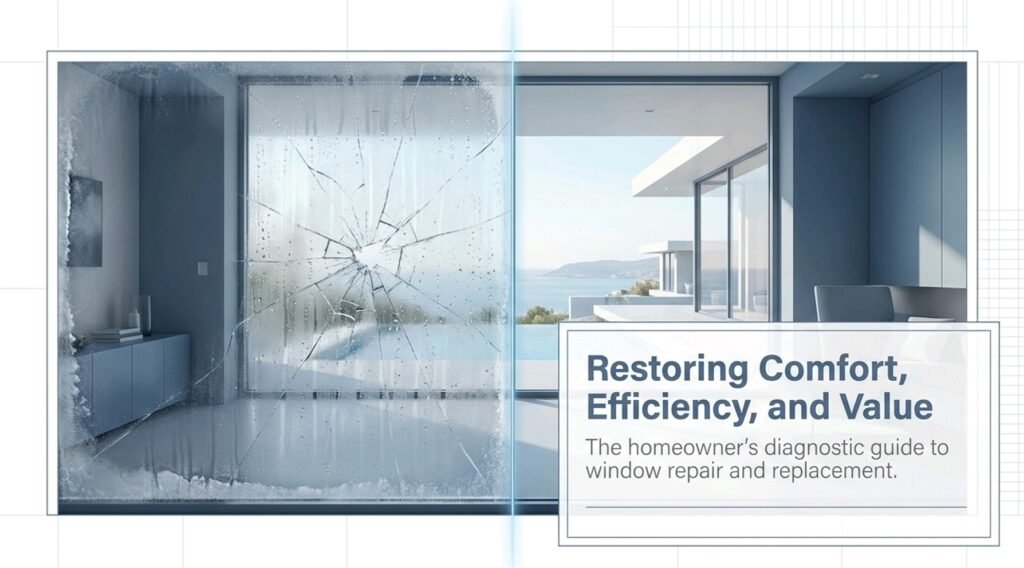
When a window becomes damaged, drafty, difficult to operate, or simply looks worn out, one of the first questions homeowners face is whether to repair the window or replace it entirely. In some cases, home window repair is the most practical and affordable solution. A damaged lock, broken seal, cracked component, or minor hardware problem may be fixable without replacing the entire window. In other situations, continuing to repair an old or severely damaged window may only postpone the inevitable. Window replacement can provide better energy efficiency, improved appearance, increased comfort, and a longer-term solution. In this article from Roxie Glass you will learn how to choose between fixing and replacing your window. What Is the Difference Between Window Repair and Window Replacement? Window repair involves fixing or restoring an existing window while keeping the primary window frame or unit in place. Depending on the problem, a repair may involve replacing hardware, fixing damaged components, addressing a broken seal, or correcting an operational issue. Window glass replacement, on the other hand, involves removing an existing window and installing a new window unit. Replacement may be appropriate when the existing window has extensive damage, poor performance, outdated construction, or problems that cannot be reliably repaired. The right choice depends on several factors, including: The type and severity of the damage The age and condition of the window Energy efficiency Water or air infiltration Ease of operation The condition of the frame The overall appearance of the window Your long-term plans for the home A professional inspection can help determine whether repairing the existing window is sufficient or whether replacement makes more sense. Roxie Glass provides all kinds of inspection for residential glass services and helps you make the right choice. Contact us for more information.   When Is Window Repair the Better Choice? Not every window problem requires a new window. If the main structure of the window is still in good condition, a targeted repair may restore its performance without the expense and disruption of a complete replacement. The Window Has Minor Hardware Problems A window that is difficult to open, close, lock, or stay in position may have a hardware-related problem rather than a structural one. Issues with handles, locks, hinges, balances, or other operating components may sometimes be repaired or replaced individually. If the glass, frame, and surrounding structure remain in good condition, home window repair can be a practical solution.   The Glass Is Damaged but the Frame Is in Good Condition Glass damage does not automatically mean the entire window needs to be replaced. Depending on the window design and extent of the damage, a professional may be able to replace the damaged glass or glazing component while preserving the existing frame. This can be particularly useful when the frame is relatively new or matches other windows throughout the home.   The Window Has a Broken Seal Double- and triple-pane windows rely on sealed insulating spaces between panes of glass. When a seal fails, homeowners may notice condensation or fogging between the panes. A failed seal can reduce the insulating performance of the window and affect its appearance. In some circumstances, the affected component can be repaired or replaced without replacing every part of the window. A professional can determine whether repair is practical based on the window’s construction and condition.   The Window Is Relatively New If a window is relatively new and has developed a specific problem, replacement may be unnecessary. For example, if the window itself is structurally sound but has a defective component, addressing the individual problem may provide the performance you need without replacing an otherwise functional window.   When Should You Consider Window Replacement? Sometimes repair is only a temporary solution. If a window has multiple problems or has reached the end of its useful life, window replacement may provide better long-term value. The Frame Is Severely Damaged The frame is one of the most important structural components of a window. Significant deterioration, warping, cracking, or other structural damage can make a simple repair ineffective. If the frame itself is compromised, replacing the window may be more appropriate than repeatedly repairing individual components.   You Have Persistent Drafts Do you feel cold or hot air coming through your windows even when they are fully closed? Persistent drafts can indicate problems with the window, frame, seals, weatherstripping, or installation. If the problem cannot be effectively corrected through repair, replacement may be worth considering. Newer windows can offer improved insulation and tighter operation, potentially making your home more comfortable.   Condensation Is a Recurring Problem Condensation can occur for several reasons, including indoor humidity and temperature differences. However, condensation between panes of insulated glass can be a sign of seal failure. If multiple windows have deteriorated seals or other age-related issues, replacing them may be more practical than repairing one problem after another.   Your Windows Are Difficult to Operate Windows should generally open, close, and lock properly. If several windows are sticking, difficult to move, refusing to stay open, or no longer locking securely, the problem may go beyond a single component. In older homes, multiple operational problems can be a sign that the windows themselves are approaching the end of their service life.   Your Energy Bills Are Higher Than Expected Windows are part of your home’s thermal envelope. Poorly performing windows can contribute to unwanted heat transfer, particularly when they have damaged seals, poor insulation, air leakage, or outdated construction. Replacing inefficient windows does not automatically guarantee a specific reduction in energy bills, since overall energy use depends on many factors. However, choosing appropriately designed replacement windows can improve insulation and comfort. Suggestion: read about Tax credits and rebates for energy-efficient products and home improvements  Signs You May Need: Sign You Notice What It Could Mean Potential Solution Loose handle Hardware problem Window repair Window will not lock properly Lock or operating hardware issue Window repair Cracked pane Damaged glass Glass repair/replacement Condensation between panes Possible failed seal Glass

Window Repair vs. Window Replacement | Do you need to fix or replace your window glass? Read More »